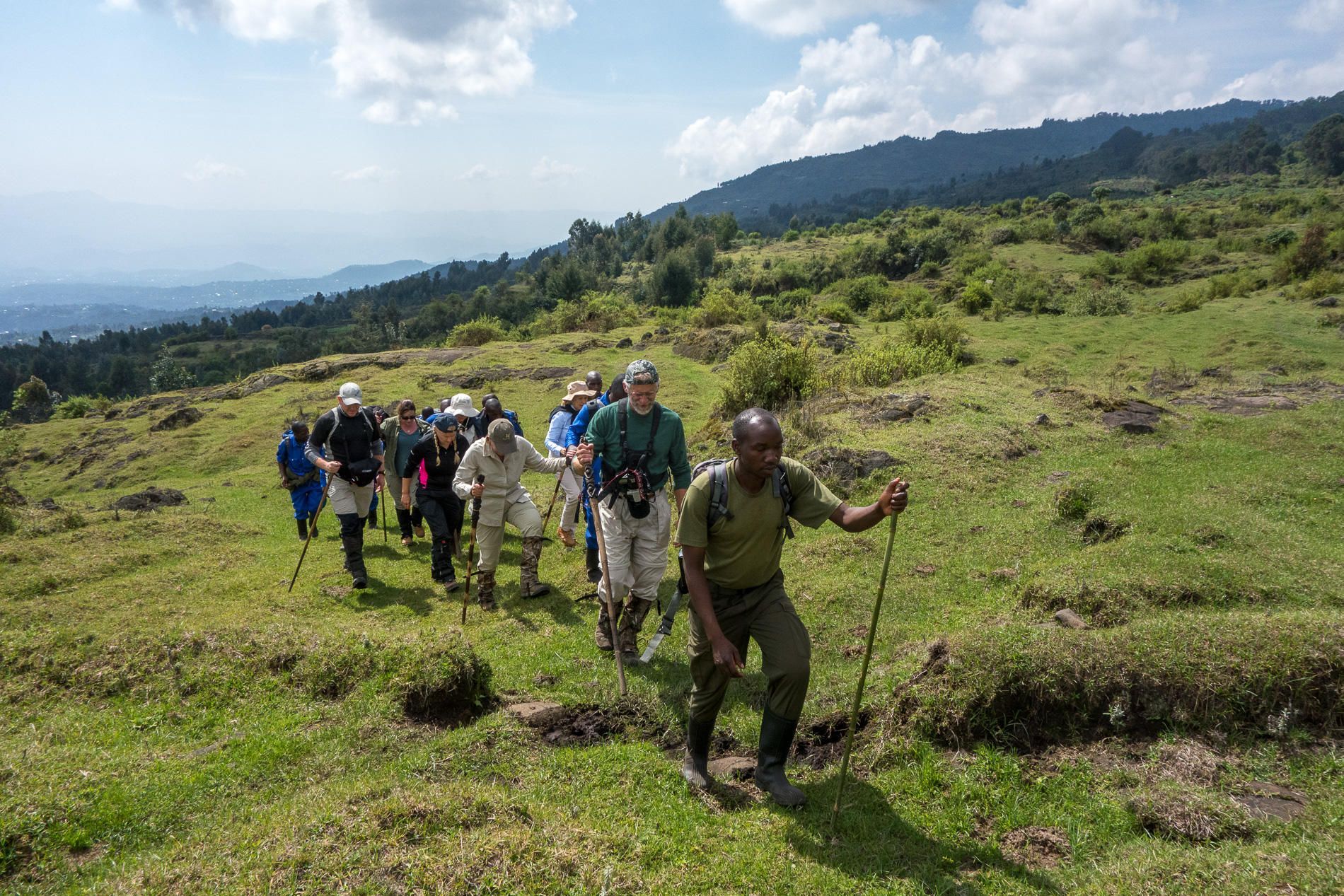
A GUIDE TO UGANDA'S TRIBES IN 2026
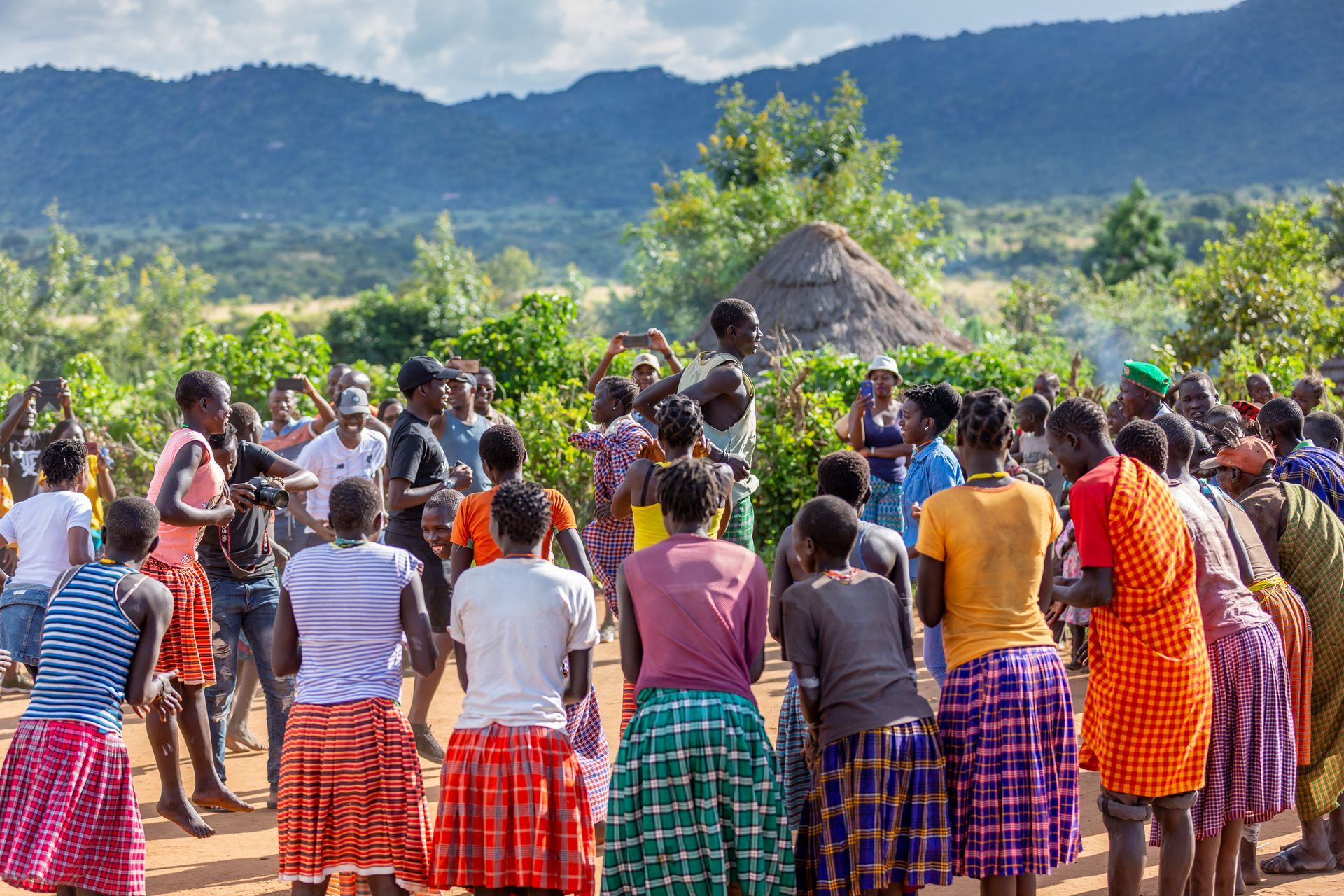
Uganda isn't just the "Pearl of Africa" for its landscapes; it's a living tapestry of over 56 distinct tribes and more than 60 spoken languages. In 2026, as travelers increasingly seek authentic human connection, understanding the cultural heart of Uganda is essential for any visit.
Ugandan tribes are generally classified into four main linguistic and ethnic groups: Bantu, Nilotic, Nilo-Hamitic, and Sudanic.
1. The Bantu: Guardians of the Kingdoms (Central & West)-The Bantu-speaking groups make up the majority of the population and are primarily found in the central, southern, and western regions.
- The Baganda: The largest tribe in Uganda (approx. 17% of the population). They are centered around Kampala and Lake Victoria, maintaining a powerful monarchy led by the Kabaka.
- Culture: Famous for the Gomesi (women's dress) and Kanzu (men's robe), and the energetic Bakisimba dance.
- Staple: Matooke (steamed green bananas) served with groundnut sauce.
- The Banyankole: Found in the southwest, they are traditionally divided into cattle keepers (Bahima) and agriculturalists (Bairu).
- Tradition: They are renowned for their Ankole long-horned cattle, which are central to their status and rituals.
- The Bakiga: Known as the "people of the mountains," they inhabit the hilly regions of Kabale and Kisoro. They are famous for their immense strength and high-energy Ekizino dance, which involves vigorous jumping.
2. The Nilotics: Warriors and Poets (North)-Residing primarily in the north, these tribes often have egalitarian social structures compared to the southern kingdoms.
- The Acholi: Known for their resilience and rich oral traditions. They are famous for the Bwola dance (a royal circle dance) and Larakaraka (a courtship dance).
- The Langi: Closely related to the Acholi, the Langi are unique in that they are Nilotic but adopted many Bantu cultural elements.
3. The Nilo-Hamites & Sudanic Groups (East & Northwest)-These groups bring a unique flavor to Uganda's eastern and northwestern frontiers.
- The Karamojong: Semi-nomadic pastoralists in the northeast known for their colorful beads and "manyattas" (homesteads). 2026 travelers often visit this region for a raw, untouched cultural experience.
- The Bagisu: Inhabiting the slopes of Mount Elgon, they are famous for the Imbalu(public male circumcision) ceremony, which is a major biennial cultural event.
- The Lugbara: The predominant tribe in the West Nile region, known for their agricultural skills (guinea fowl and cassava) and historical resistance to outside influence.
4. Indigenous Keepers of the Forest
- The Batwa (Pygmies): One of the oldest indigenous groups in Africa, formerly forest-dwelling hunter-gatherers in Bwindi and Mgahinga.
- Cultural Experience: Today, you can take the Batwa Trail to learn about their ancient herbal medicines, honey-gathering techniques, and spiritual connection to the forest.
Pro-Tips for Cultural Travelers in 2026
- Greetings Matter: In Bantu cultures, younger people often kneel when greeting elders as a sign of deep respect.
- Community First: Most Ugandan tribes operate on a communal basis; if you are invited for a meal, it is considered polite to join in without waiting for a formal invitation.
- Language Tip: Most tribes use prefixes. For example, a Muganda is one person, Baganda refers to the people, Luganda is the language, and Buganda is the land