ATTRACTIONS IN GISHWATI-MUKURA NATIONAL PARK
What are the attractions in Gishwati-Mukura National Park? Discover the hidden gems in Gishwati-Mukura –the top attractions not to be missed to encounter on Rwanda safari. Set in the vibrant heart of Rwanda, Gishwati-Mukura is a treasure trove awaiting to be explored by nature lovers. Although it is usually overshadowed by other popular parks, the spectacular Gishwati-Mukura boasts of its stunning wilderness and wide array of attractions that appeal to any nature enthusiast and adventure seeker.
Gishwati Mukura National Park creation dates back to 2015 when it officially recognized as one of the National Parks with primary aim of protecting chimpanzees. Today, it is the smallest park in Rwanda occupying the land area of 34 sq. km. Its creation brought together Gishwati Forest and Mukura Forest. Gishwati-Mukura is the best place to explore without worries of overcrowding. Its location along the ridges of the Congo Nile area makes it possible for tourists to explore several Albertine Rift endemic species.
As you immerse yourself into the jungles of Gishwati-Mukura, expect to encounter variety of attractions including diverse primates, birds, tree species, waterfalls, and more. Explore a complete list of attractions in Gishwati-Mukura National Park;
Key Attractions to Explore in Gishwati-Mukura
Primate species
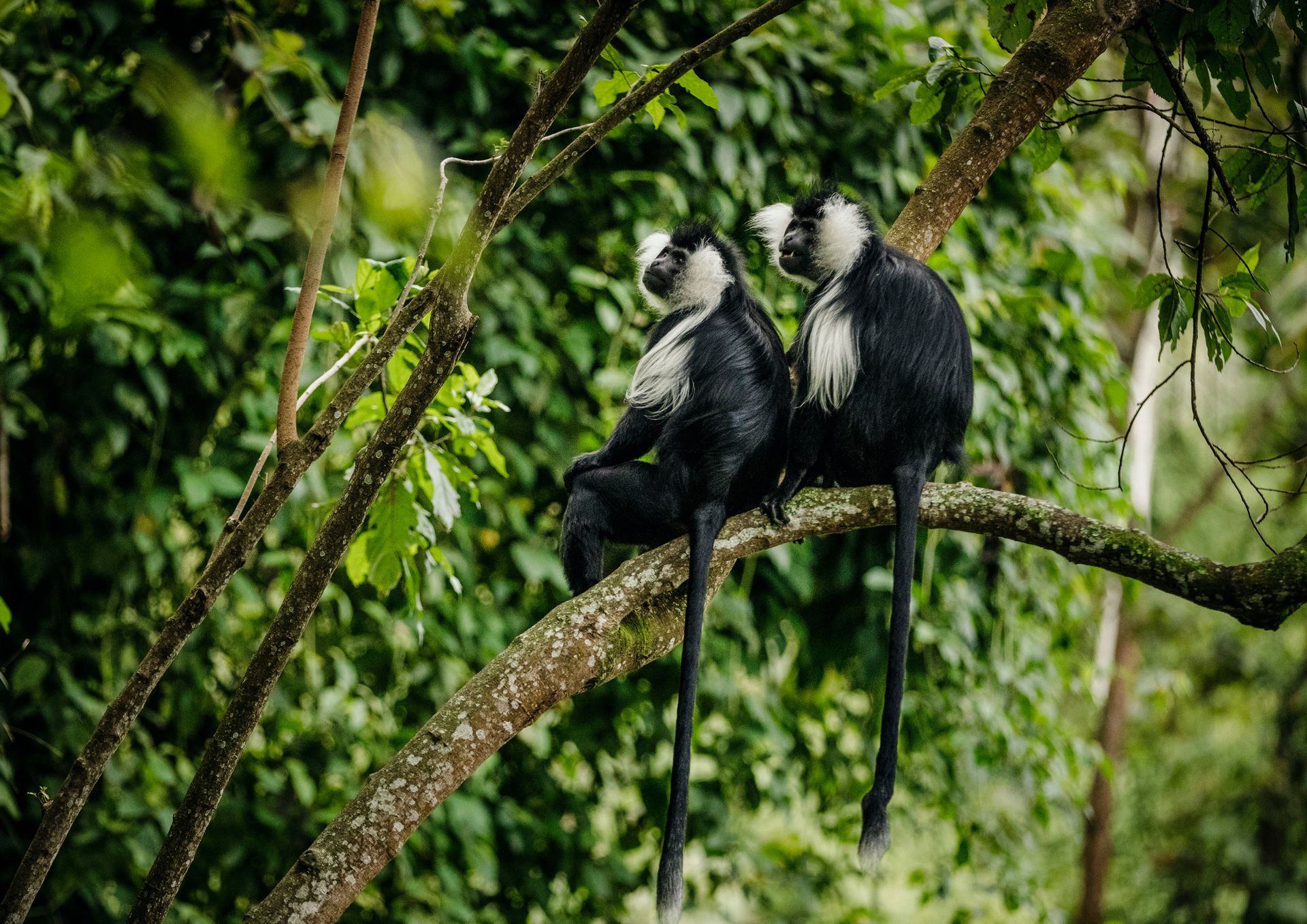
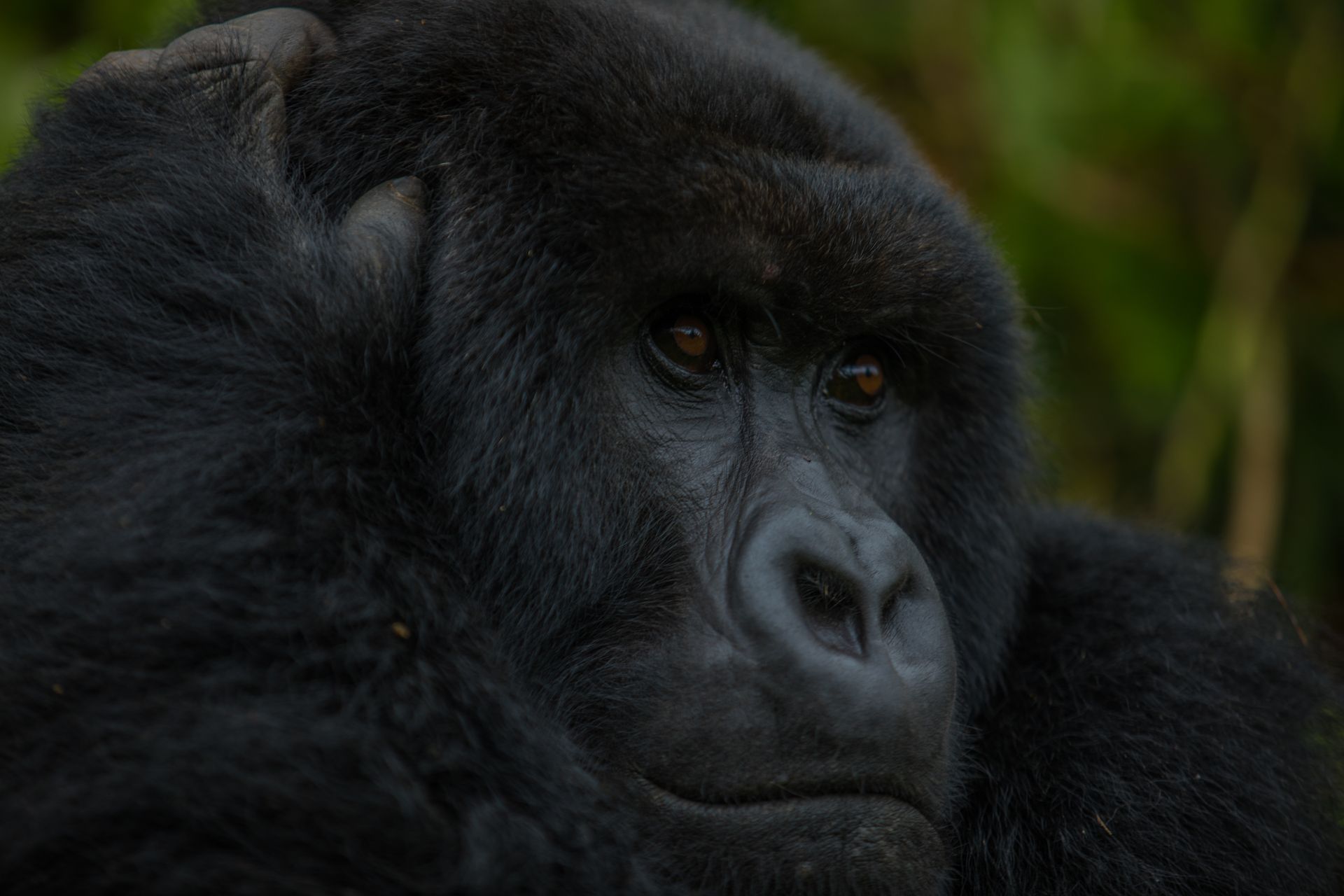
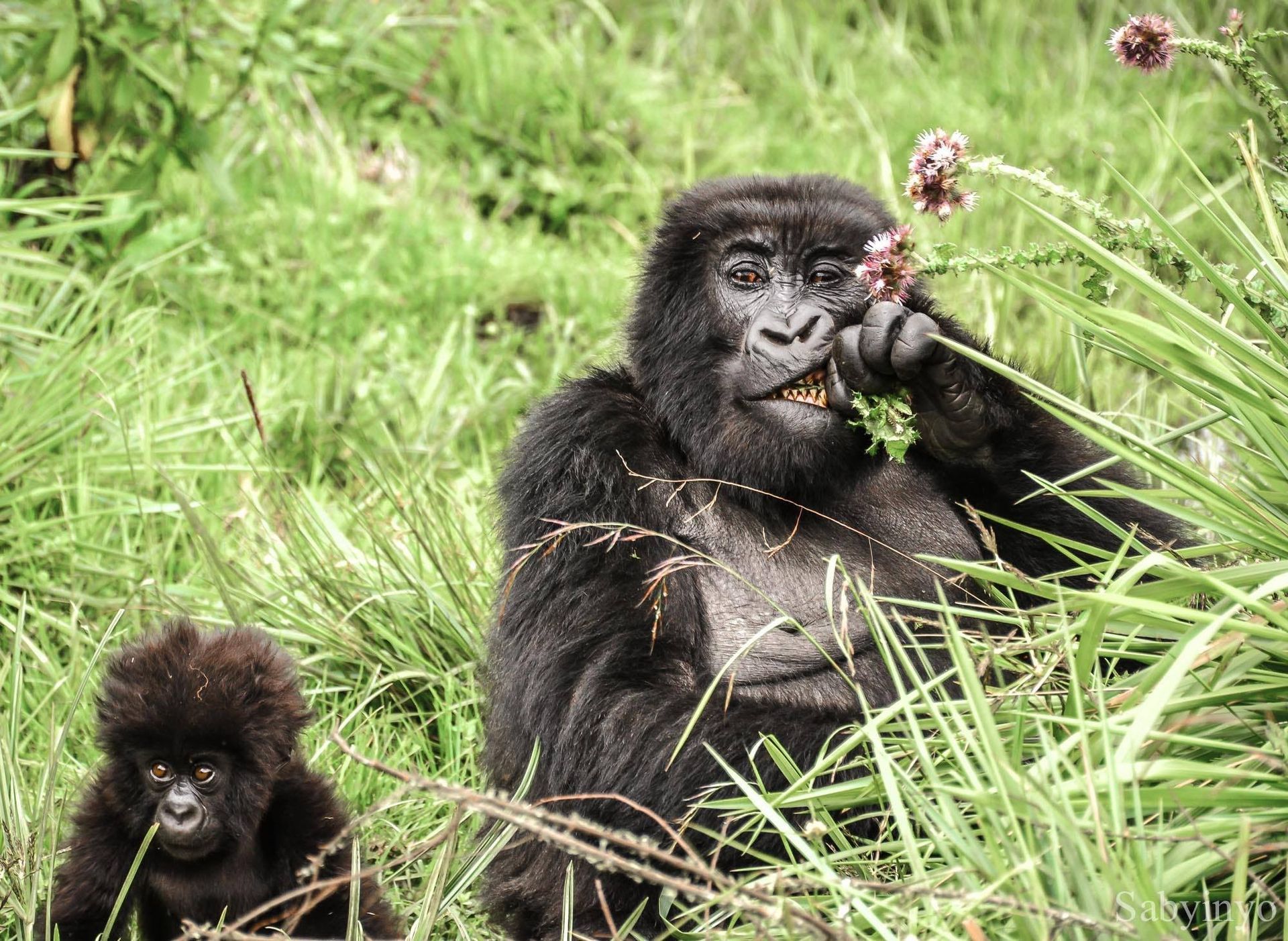
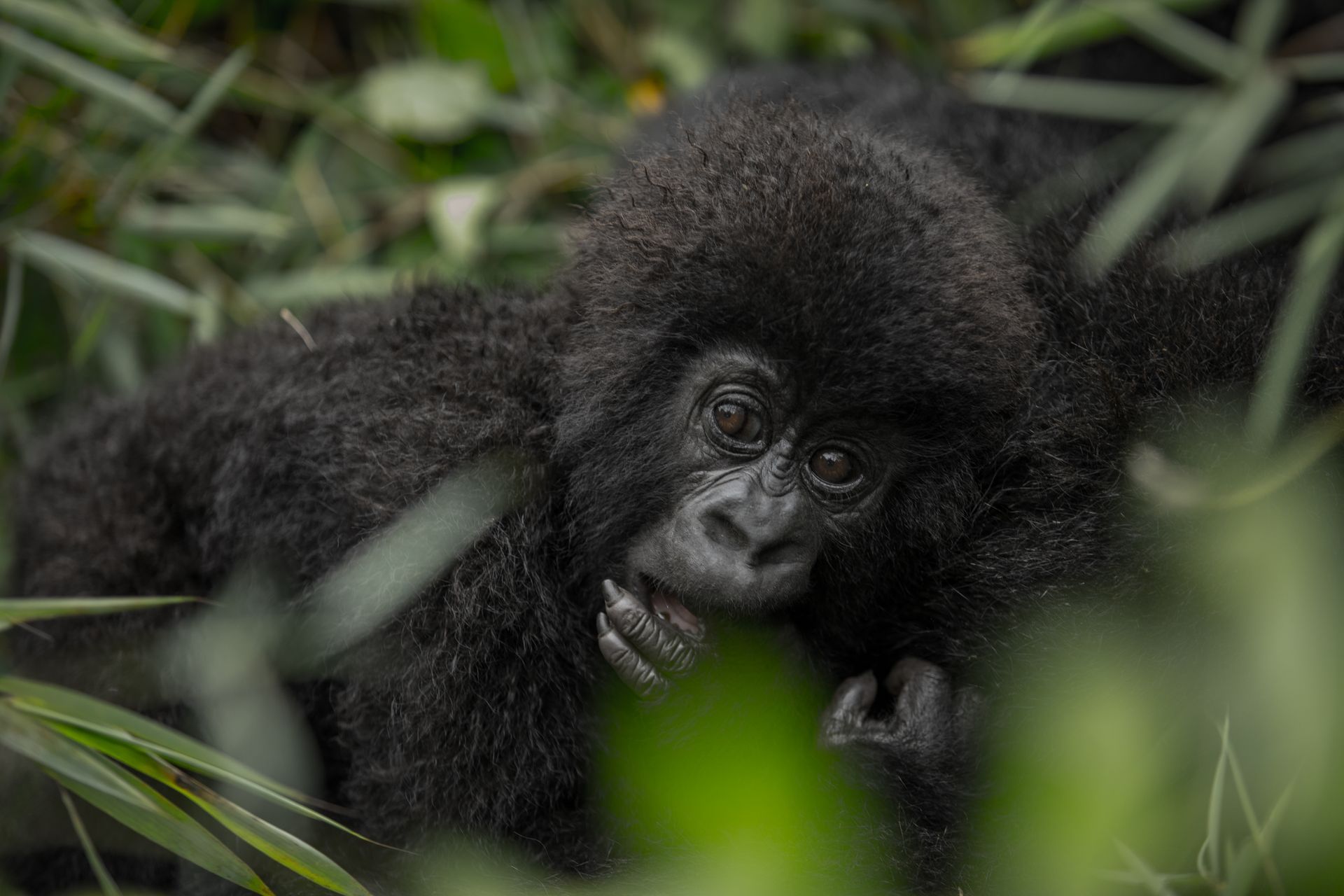
Gishwati-Mukura prides itself of diverse primate species. These make up the top attractions in Gishwati-Mukura National Park. They include olive baboons, l’hoest monkeys, chimpanzees, blue monkeys, vervet monkeys, black and white colobus monkeys.
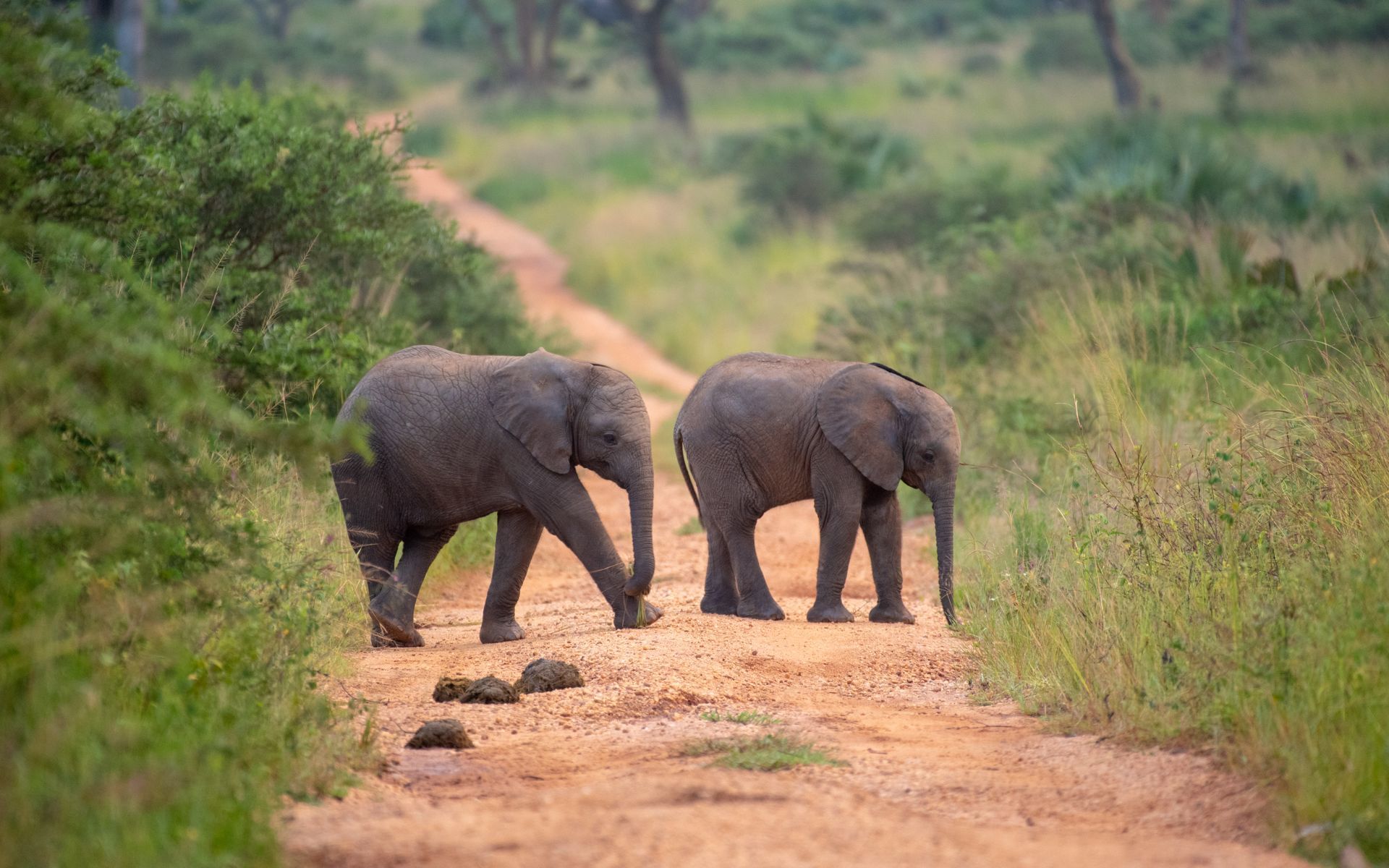
In addition to primates, Gishwati-Mukura also shelters other mammal species including buffaloes, African civets, black-fronted duikers, serval cats, red river hogs, and others.
Reptiles in Gishwati-Mukura
A range of reptile species reside in Gishwati-Mukura. They include skinks, chameleons, and snacks. Variety of reptile species in the Gishwati-Mukura National Park can be spotted during a guided nature walk in the park’s lush rainforest.
Bird species
Gishwati-Mukura National Park is amazingly one of the best places to explore on birding tour in Rwanda. This park lies in the strategic location where visitors can enjoy sights of different bird species including the forest and Albertine Rift endemic species. The diverse birds to explore in Gishwati-Mukura National Park include grey-crowned crane, regal sunbirds, wood hoopoe, Grauer’s swamp warblers, purple-breasted sunbird, Rwenzori batis, and dusky crimson wing.
Gishwati-Mukura also supports other species of birds such as mountain yellow warblers, red-throated alethe, Rwenzori turacos, strange weaver birds, black faced apalis, and handsome francolins, etc. Scenic waterfalls
Gishwati-Mukura National Park is a spectacular protected area with scenic waterfalls. The unique waterfalls that make up the list of top attractions in Gishwati-Mukura include Kazenenza Waterfalls. The scenic Kazenenza falls is a key attraction often explored by visitors on hiking tour in Gishwati-Mukura.
How to explore Gishwati-Mukura National Park- Major Activities
Primate watching –chimp tracking
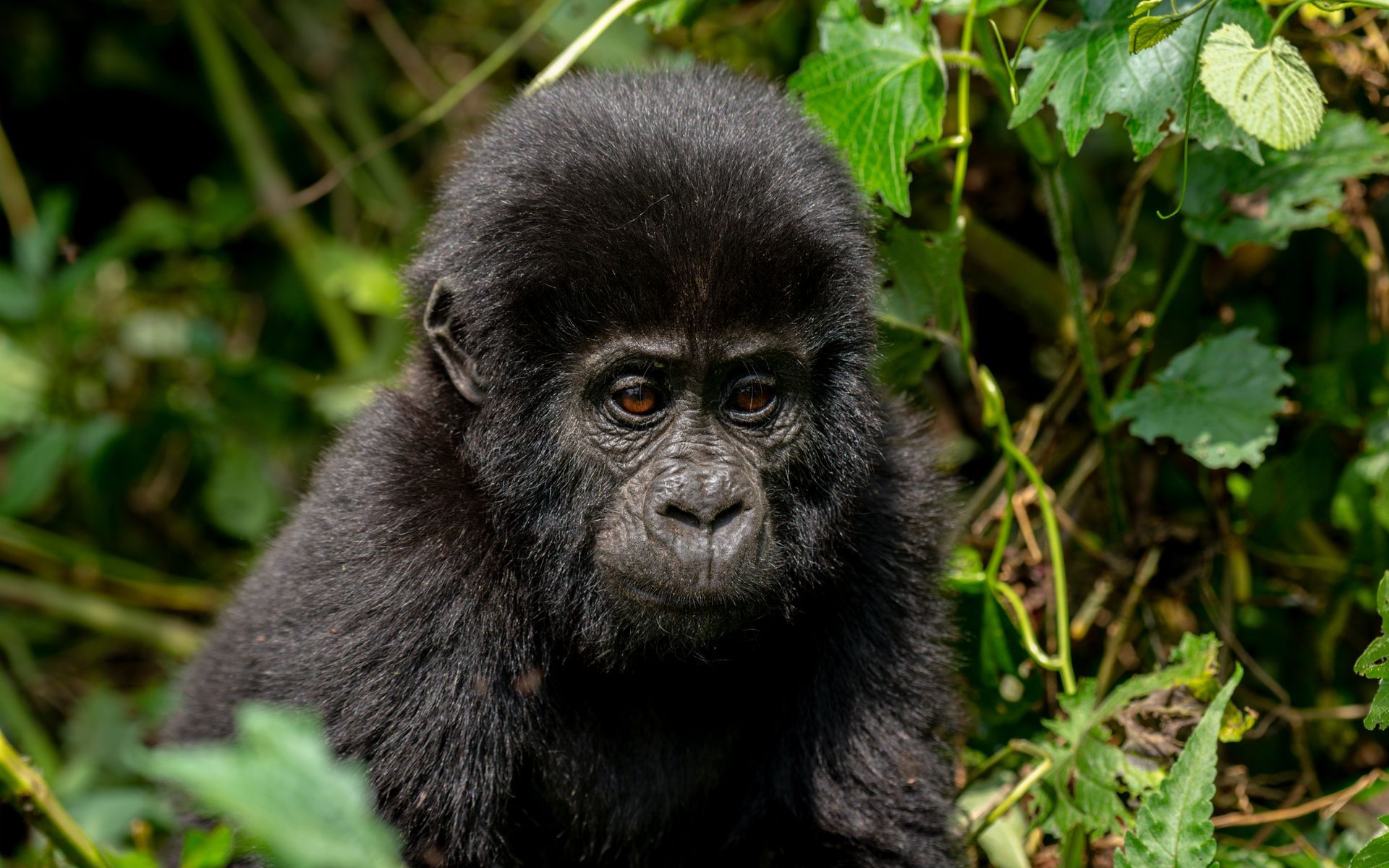
Gishwati-Mukura offers the best primate watching experiences. A guided primate watching tour in Gishwati-Mukura allows you to encounter variety of primates. The main focus during primate trekking in Gishwati-Mukura are the chimpanzees, blue monkeys, l’hoest monkeys, colobus monkeys, olive baboons, and many other species.
Birding
A birding tour in Gishwati-Mukura takes you a great search for diverse bird species. Visitors on a bird-watching excursion get a chance to spot Albertine rift endemic species and forest birds. During a birding tour, expect to have a pair of binoculars, a camera, and additional batteries plus memory card.
Guided nature walks and hiking
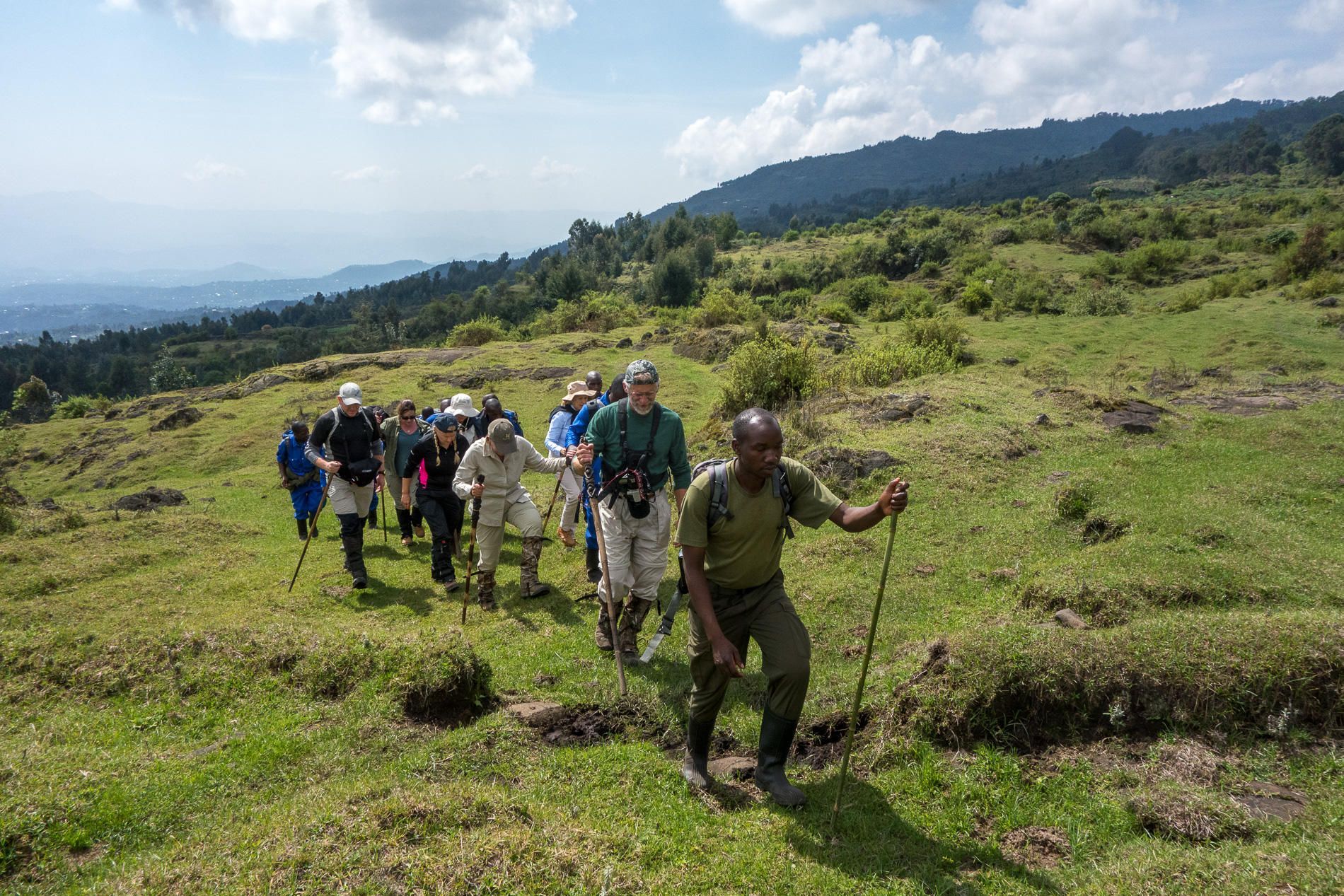
Nature walks in Gishwati-Mukura takes you on enriching nature walking trails. The unique bit of a guided nature walk here is that you stand a chance to spot diversity of species and appreciate the natural beauty of this spectacular protected area. Gishwati Mukura features over 60 species of trees that make it a spectacular protected area of its own and include mahogany trees, orchids, ferns, macaranga kilamand, etc.
Expect to also explore introduced species including hagenia abyssinica, dombeya torrida, polyscias fulva, and more. A nature walk and hikes also introduce you to the spectacular Kazenenza waterfalls.
Cultural/community visits
Visitors can also embark on guided cultural tours or community visits. The cultural tours offer the best opportunity for you to get a close interaction with locals. You get to explore the unique traditions, cultures, and practices of the people living adjacent to Gishwati-Mukura.
When to visit Gishwati-Mukura
Gishwati-Mukura is an all year-round destination in Rwanda. But the most preferred months by many tourists are the dry months which occur from June to September. The peak dry season comes with minimal rainfall and clear vegetation. The weather conditions generally favor most of the exciting activities to be enjoyed in the park including primate tracking, hiking, and more. Navigating through Gishwati-Mukura forest during the dry season is less stressing due to minimal rainfall and trails are kept relatively drier.
The dry season is better than the rainy season which comes with heavy rains and trails become muddy. The wet months of the year in Gishwati-Mukura run from March, April, to May then October to November. The wet season often comes with heavy rains and muddy trails.
How to prepare for your tour to Gishwati-Mukura National Park
Plan and book your holiday early with the local tour operator. Consider packing right for your tour and include only essentials. The essentials to have on your packing list for Gishwati-Mukura tour include waterproof hiking boots, long-sleeved shirts, a waterproof daypack, a camera, first aid kit, insect repellents, a sweater, a pair of hiking gloves, a rain jacket, long trousers, snacks, and bottled drinking water.
Where to stay
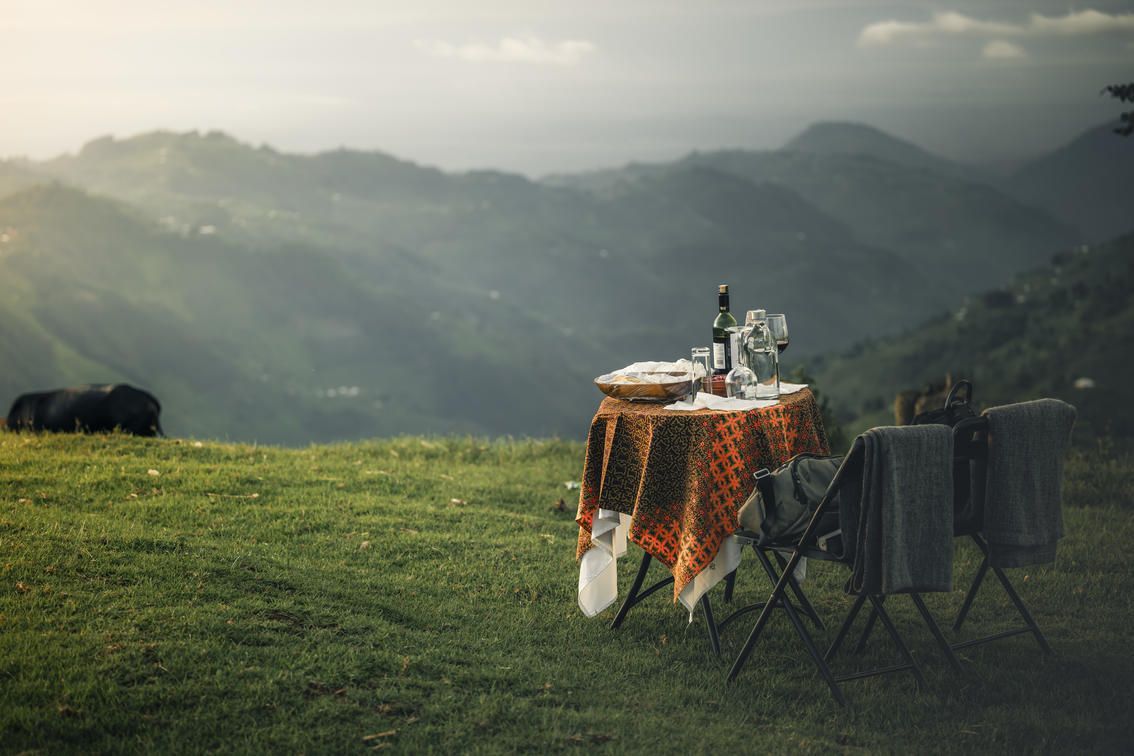
Gishwati Mukura still has limited safari lodges and camp options for visitors to retire for the night. So far, Gishwati Lodge is a luxury lodge property available for visitors to retire for the night before or after exploring the park’s attractions. Gishwati Lodge has a capacity of about 15 pax and is set in the area where visitors can enjoy the breathtaking views of the park and its surroundings.
Getting to Gishwati-Mukura
Gishwati-Mukura is accessible within 2-3hours’ drive from Kigali Capital. There is also an option of reaching Gishwati-Mukura from Volcanoes National Park which is only 27 km away.